Elegant Graphic Frames: Elevating Projects with Scallop Vectors
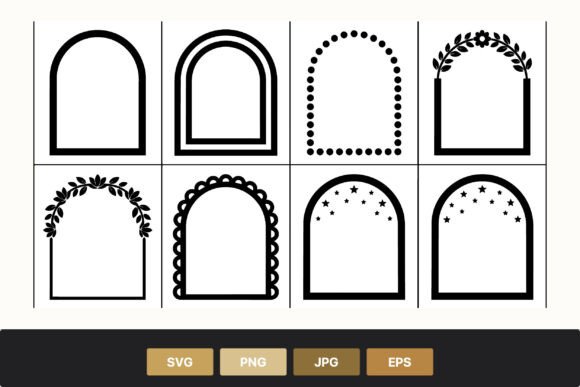
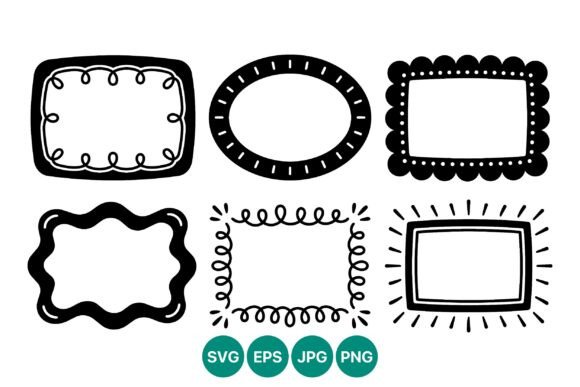
Every designer understands the frustration of a layout that feels incomplete. You have the perfect typography, a striking color palette, and compelling imagery, but the composition lacks that final "frame" that pulls the viewer's eye inward. This is where the power of high-quality graphic elements comes into play. Specifically, the Black Decorative Border Patterns Vector offers a solution that is both timeless and incredibly versatile. This asset is not just a line; it is a design language. It features a minimalist black and white decorative border pattern, isolated on a white background to ensure maximum adaptability. The core visual is a line drawing characterized by a repeating scalloped shape, creating a rhythm that feels organic yet controlled.
The Anatomy of a Minimalist Scallop
When we look at this specific vector file, we see more than just a curved line. We see a commitment to clean, modern aesthetics. The "scallop" shape is a classic motif in design history, often associated with Art Deco elegance or organic growth found in nature. However, the minimalist execution here strips away unnecessary ornamentation. It is a pure line drawing, which means it retains a high level of sophistication without becoming visually "noisy." This balance is crucial for contemporary design. Whether you are working on a high-end product label or a sleek digital interface, the Black Decorative Border Patterns Vector provides a structural element that suggests order and refinement.
The personality of this pattern is best described as quiet confidence. It does not scream for attention; rather, it guides the viewer's focus. In a world saturated with bold gradients and 3D effects, returning to a simple black and white line drawing can be a radical act of clarity. It works perfectly as a standalone frame, but its true strength lies in its ability to coexist with other typefaces. Imagine pairing this border with a bold serif font for a luxury brand identity, or using it to soften the edges of a sharp sans serif font in a tech startup's brochure. The scallop pattern acts as a visual bridge, connecting disparate elements into a cohesive whole.
Practical Applications: From Branding to Bespoke Packaging
Understanding the file formats included—AI, EPS, JPG, and PNG—is essential for knowing how to deploy this asset effectively. For professional print work, such as packaging design or large-format posters, the vector formats (AI and EPS) are indispensable. They allow you to scale the pattern to any size without losing a single pixel of quality. You can wrap a product box in this pattern, creating a tactile feeling of luxury before the customer even opens it. For editorial design, such as magazine headers or chapter breaks in a book, the scallop pattern adds a rhythmic pause, improving visual hierarchy and making the reading experience more enjoyable.
For digital creators, the PNG and JPG files offer immediate utility. If you are a blogger or content creator looking to elevate your social media graphics, this pattern can serve as a sophisticated frame for Instagram quotes or Pinterest pins. It adds a layer of professionalism that generic stock borders often lack. Furthermore, small business owners can utilize this vector for logo design elements. A scalloped border surrounding a monogram can instantly position a brand as artisanal, handmade, or boutique. It is a subtle psychological cue that influences brand perception, suggesting that care and attention to detail have been applied to the product or service.
Integrating the Pattern into Your Workflow
Choosing the right design assets involves more than just aesthetics; it requires practical consideration of your workflow. Because this is a premium font style asset (though technically a graphic pattern), it behaves with the same reliability as a high-quality typeface. When evaluating project fit, consider the "weight" of the design. If your layout relies heavily on a handwritten font or a flowing script font, the structured scallop can provide a necessary anchor, preventing the design from looking messy. Conversely, if your typography is very rigid and geometric, the curves of the border introduce a welcome organic touch that humanizes the web design or print collateral.
Here are a few scenarios where the Black Decorative Border Patterns Vector excels:
- Wedding Stationery: The scallop shape is inherently romantic. Use it to frame invitation text or as a divider between the ceremony and reception details.
- Menu Design: For cafes, bakeries, or upscale restaurants, this pattern separates menu sections elegantly without using heavy black bars.
- Digital Stickers: For planners or digital journaling, the PNG version serves as a perfect die-cut sticker frame for photos or notes.
- Corporate Reports: Use the border to highlight key statistics or quotes within a dense annual report, adding a touch of modern typography flair to dry data.
Strategic Design Considerations
To get the most out of this asset, think about negative space. The scallop pattern creates a rhythm of positive and negative space along the line. This breathing room is what keeps the design from feeling heavy. When placing text inside the border, ensure you leave enough padding. The border should frame the content, not choke it. This is a common mistake in packaging design, where borders are often placed too close to the product name, causing visual tension.
Another consideration is color application. While the file is provided in black and white, the vector nature allows for instant recoloring. Imagine a soft pastel version for a baby shower invite or a metallic gold gradient for a high-end cosmetics brand. The versatility of the Black Decorative Border Patterns Vector allows it to adapt to virtually any color scheme, making it a long-term asset in your creative library. It supports consistency across different mediums. You can use the black version for your business cards and a tinted version for your website background, maintaining a unified brand identity across all touchpoints.
Ensuring Readability and Engagement
Ultimately, the goal of any decorative element is to support the content, not overshadow it. This scallop pattern is designed to enhance readability by creating a clear boundary. In editorial design, borders help readers navigate complex layouts. They signal the start and end of a section, which aids in information retention. When used in marketing materials, a well-placed border can increase audience engagement by drawing the eye to a specific call-to-action or a special offer.
When testing font pairing, use this border as the constant variable. Try setting your headlines in a display font and your body copy in a clean sans-serif, then apply the scallop border around the headline block. Notice how the curve of the border interacts with the terminals of the letters. These small details are what separate amateur work from professional design. By incorporating the Black Decorative Border Patterns Vector into your toolkit, you are not just adding a decorative line; you are adopting a structural element that brings order, elegance, and timeless appeal to your creative projects. It is a simple addition that yields significant returns in visual quality and professional polish. Thank you for choosing this design to elevate your creative vision.