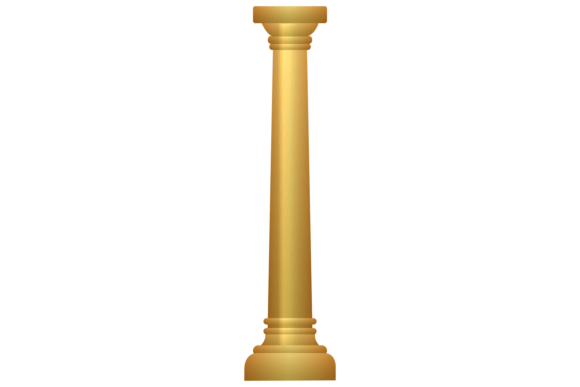
Decorative Golden Pillar: Classic Luxury for Modern Design
The Essence of Timeless Opulence
When you first encounter the Decorative Golden Pillar typeface, it doesn't just display text; it announces it. This is a typeface that carries the weight of classical architecture and the shine of polished metal in its very strokes. It isn't a subtle whisper; it is a confident declaration of prestige. The visual personality of this font is rooted in high contrast, where thick, authoritative stems meet hairline serifs, creating a rhythm that feels both ancient and incredibly refined.
The overall aesthetic leans heavily into the realm of the premium font. You will notice the elegant swashes and the deliberate, structured spacing that mimics the grandeur of a Roman column. It occupies a unique space between a traditional serif font and a display font. While it has the structural integrity of serif typography, its decorative nature means it functions best when used to command attention rather than to blend into the background. It is the typographic equivalent of a gilded mirror in a marble hallway—functional, but primarily there to impress.
Strategic Placement: Where This Style Shines
Understanding where to deploy Decorative Golden Pillar. Classic Luxury is key to mastering its potential. Because of its intricate detailing and bold presence, it is not the right choice for body copy or lengthy blog posts. Instead, think of this typeface as your secret weapon for "hero" moments in your design projects.
In branding and logo design, this font creates an immediate association with heritage and quality. If you are working with a client in the hospitality sector—think boutique hotels, high-end catering, or wedding planning—this typeface sets the tone instantly. It tells the customer that they are paying for an experience, not just a service. Similarly, for packaging design, particularly in the cosmetics, perfume, or gourmet food industries, the golden pillar style suggests that the product inside is luxurious and crafted with care.
Beyond physical goods, the digital space offers plenty of room for this creative font. It works beautifully for:
- Social Media Graphics: Use it for Instagram covers or announcement posts where you need to stop the scroll. A single word in this typeface can anchor an entire visual layout.
- Editorial Design: Magazine headers, pull quotes, and chapter titles benefit from the dramatic flair of this style.
- Event Stationery: From gala invitations to certificates of achievement, the font adds a layer of ceremony and importance.
- Web Design: When used sparingly for H1 headers or landing page hero text, it can elevate a website from "standard template" to "custom boutique."
The Psychology of Perception: Brand Identity and Hierarchy
Typography is rarely just about legibility; it is about feeling. Choosing Decorative Golden Pillar for your project influences how your audience perceives the brand before they even read the copy. This typeface signals stability, tradition, and wealth. It taps into a visual language that humans have associated with power and authority for centuries—think of the inscriptions on historic monuments or the mastheads of legacy newspapers.
By incorporating this classic luxury style into your brand identity, you are borrowing that sense of permanence. It suggests that your business is established and trustworthy. However, this comes with a responsibility. If you pair this ornate font with a chaotic, grunge-style design, the clash might confuse your audience. The font demands a certain level of sophistication in the surrounding design assets to maintain credibility.
Furthermore, this typeface is a master of visual hierarchy. In a layout filled with neutral sans-serif fonts, a headline set in Decorative Golden Pillar acts as a visual magnet. It draws the eye exactly where you want it, making it an effective tool for conversion-focused design, such as call-to-action headers or limited-time offer announcements.
Practical Implementation: Pairing and Readability
The success of a display font often depends on its companions. Because Decorative Golden Pillar is highly detailed and visually dense, it requires a partner that knows when to step back. The golden rule of font pairing here is contrast.
Avoid pairing it with other decorative fonts, ornate script fonts, or overly stylized handwritten fonts. The result would be visual noise. Instead, look for a clean, geometric sans serif font for your subheadings and body text. Fonts with open apertures and simple structures—like a clean Grotesque or a Humanist sans-serif—provide the perfect breathing room for the Golden Pillar to shine. This contrast ensures that the hierarchy remains clear: the decorative element grabs attention, and the sans-serif delivers the information.
Readability considerations are also vital. While this font is legible at large sizes, tracking (the space between letters) may need to be adjusted. Because of the flourishes, letters can sometimes feel crowded. Increasing the tracking slightly in your design software can help the characters breathe, improving the overall elegance of the composition.
Making the Investment: Licensing and Asset Selection
When sourcing a premium font like this, you are not just buying letters; you are buying a design asset that will define a project's visual language. Before purchasing or downloading, review the commercial licensing terms carefully. Ensure the license covers your intended use, whether that is for a client's logo, a print-on-demand merchandise line, or a digital product.
Additionally, check what is included in the font family. A high-quality version of this style might come with multiple weights, alternate characters, or ligatures that allow you to customize the look further. Testing the font in your specific environment—whether that is a website mockup or a print layout—is crucial. Does it render well on mobile screens? Does it print crisply on textured paper? These practical tests separate a good design idea from a great execution.
Ultimately, Decorative Golden Pillar. Classic Luxury