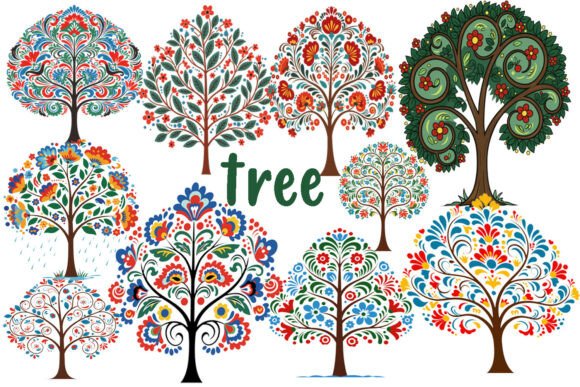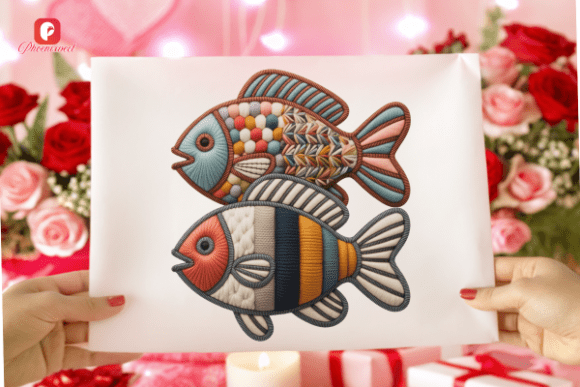
Decorative Mosaic Tile. Fabric Pattern. Ceramic Wall Motif.
There is a distinct rhythm to the Decorative Mosaic Tile. Fabric Pattern. typeface that immediately draws the eye. It is not merely a set of letters; it is a visual texture, a ceramic wall motif brought to life in vector form. For designers, marketers, and content creators, this typeface offers a bridge between the tactile world of craft and the precision of digital typography. Its visual character is defined by a structured, almost tessellated aesthetic, reminiscent of intricate tile work or woven fabric. The personality it conveys is one of heritage, craftsmanship, and deliberate artistry, yet it maintains a clean, modern typography sensibility that prevents it from feeling dated.
The appeal lies in its duality. It functions as a premium font with the decorative flair of a display font, yet its letterforms are often grounded in the clarity of a sans serif font. This makes it a versatile creative font for projects that need to communicate authenticity and detail without sacrificing readability. Imagine a logo design for an artisanal bakery or a boutique textile studio—this typeface can instantly establish a brand identity rooted in quality and pattern. Its style evokes the meticulousness of a ceramic wall motif, where each piece contributes to a larger, harmonious whole.
Where This Patterned Typeface Shines: From Branding to Editorial
Understanding where Decorative Mosaic Tile. Fabric Pattern. works best is key to unlocking its potential. Its strength lies in applications where visual interest and brand perception are paramount. In packaging design, particularly for gourmet foods, luxury spa products, or handmade goods, this typeface can elevate the unboxing experience. The patterned texture within the letters suggests care and craftsmanship, directly influencing how a customer perceives the product inside.
For editorial design, consider using it for chapter titles in a coffee table book about architecture, interior design, or global textiles. It sets a thematic tone immediately. In the digital realm, it is a powerful tool for social media graphics and web design headers. A hero image on a website for a design studio or a travel blog about Mediterranean cultures can use this font to create an immersive, stylistic first impression. It translates well across digital and print projects, from event posters to restaurant menus, adding a layer of visual storytelling that generic typefaces cannot match.
Influencing Perception: Hierarchy, Engagement, and Professionalism
A typeface is a silent ambassador for a brand. Choosing Decorative Mosaic Tile. Fabric Pattern. influences several key aspects of your project's success. First, it impacts visual hierarchy. As a display font, it naturally commands attention for headlines and titles, creating a clear entry point for the reader. This guides the audience through your content in the intended order.
Second, it shapes brand perception. The ornate, patterned quality communicates a specific brand identity—one that values tradition, artistry, and uniqueness. This can foster stronger audience engagement with the right demographic, such as design-savvy consumers or those in creative industries. However, this is where readability becomes a critical consideration. Its decorative nature means it is best suited for short bursts of text—logos, taglines, headlines. For body copy, pairing it with a clean, highly legible sans serif font or a classic serif font is essential to maintain professionalism and ensure your message is easily consumed.
Practical Guidance for Implementation and Licensing
Integrating this design asset into your workflow requires a practical approach. Start by evaluating project fit. Does your client or project narrative align with themes of craftsmanship, pattern, or heritage? If yes, it is a strong candidate. Next, test font pairings rigorously. Create mockups with your chosen body copy font to ensure the contrast in style and weight creates harmony, not conflict. The goal is to let the mosaic tile font shine without overwhelming the overall design.
Always review the included styles of the font family. Does it come with multiple weights, alternates, or stylistic sets? These features can provide much-needed flexibility for different applications within the same brand system. Finally, clarify the commercial licensing. Since this is a premium font, understand the terms for its use in logos, merchandise, and digital products. Proper licensing is a non-negotiable part of professional work, ensuring your brand identity is built on a legitimate and sustainable foundation. By approaching its use with this level of care, you transform a simple typeface into a powerful component of your visual strategy.