Floral Ornaments & Flower Decorative: A Designer’s Guide
The Visual Character and Enduring Appeal
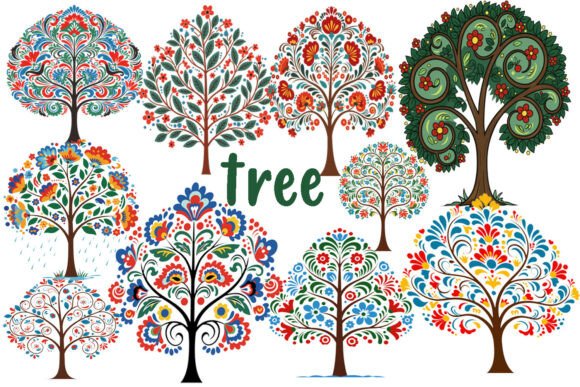
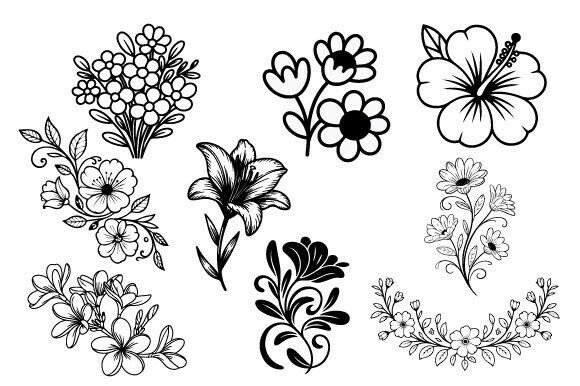
Floral Ornaments and Flower Decorative designs represent a timeless aesthetic, blending organic forms with structured elegance. These vector assets are characterized by intricate linework, balanced negative space, and a versatile style that feels both classic and contemporary. They often feature symmetrical flourishes, layered petals, and delicate vine-like elements, creating a sense of natural beauty and sophisticated craftsmanship. The personality of these ornaments is one of grace and approachability; they evoke feelings of celebration, growth, and meticulous care. Unlike overly ornate Victorian styles, modern floral ornaments tend to be cleaner, with a focus on smooth curves and scalable detail, making them exceptionally functional for today's digital and print workflows.
Real-World Applications Across Industries
The true strength of these floral designs lies in their remarkable adaptability. For graphic designers and brand strategists, they become foundational elements in logo design and brand identity, especially for businesses in the wellness, beauty, artisanal food, wedding, and boutique retail sectors. A carefully chosen floral ornament can instantly communicate a brand’s values—whether it’s organic purity, luxurious indulgence, or handcrafted quality. In editorial design and publishing, these assets are perfect for chapter headers, section breaks, and decorative margins in magazines, book covers, and digital publications, adding visual interest without distracting from the main text.
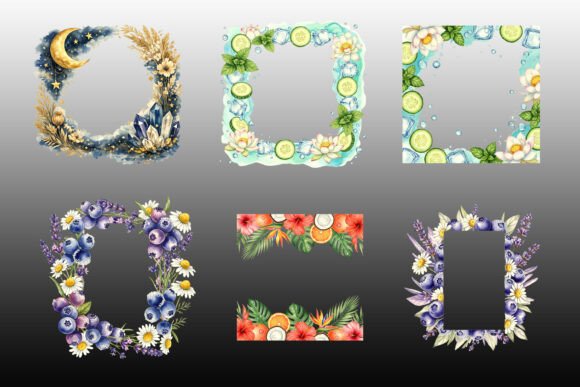
Marketers and content creators will find them invaluable for social media graphics. A floral frame can transform a standard Instagram quote into an eye-catching piece of content, while a subtle floral pattern can elevate a Facebook ad or Pinterest pin, increasing engagement and shareability. The transparent PNG versions are particularly useful here, allowing for easy layering over photos and text. For small business owners and crafters, the applications are equally practical. These designs are optimized for physical products, making them ideal for packaging design on boxes, labels, and tissue paper. They translate beautifully onto merchandise like t-shirts, tote bags, mugs, and greeting cards, where their intricate details remain sharp and impressive even at various print sizes.
Strategic Impact on Design and Branding
Integrating floral ornamentation into a project does more than just add decoration; it influences perception and communication. The style can significantly affect visual hierarchy. A bold floral header can draw the eye first, guiding the viewer through a layout on a website or in a brochure. This use of ornamental typography and graphics helps structure content in a way that is both beautiful and functional. From a brand perception standpoint, consistent use of a specific floral style helps build recognition. A brand that uses clean, geometric florals will be perceived as modern and organized, while one using loose, watercolor-inspired blooms might be seen as artistic and free-spirited.
This consistency is key to professionalism. Repeating the same ornamental motifs across a website, social media, print collateral, and product packaging creates a cohesive brand identity that feels trustworthy and considered. For the audience, this visual consistency builds subconscious recognition and loyalty. The right floral design can also enhance readability and engagement. Used as a decorative element alongside a clean sans serif font for body text, florals can soften the overall feel of a layout, making dense information appear more approachable. They act as a visual palette cleanser, giving the reader's eye a moment of rest and appreciation.
Practical Guidance for Selection and Use
When evaluating a set like this, your first step is to assess the project's needs. Does it require a dominant, statement-making ornament or a subtle, repeating pattern? Review the included formats. The EPS vector file at 4000x4000 pixels is your workhorse for professional printing and large-scale applications—it allows for infinite scaling without loss of quality, essential for signage, banners, and high-resolution prints. The transparent PNG files are your go-to for digital work, web design, and layered compositions in software like Canva or Photoshop, where you need to place the design over other elements seamlessly. The JPEG versions are convenient for quick proofs or projects where a white background is acceptable.
Next, consider font pairing. Floral ornaments work exceptionally well with a wide range of typefaces. For a balanced and modern look, pair them with a neutral serif font or a geometric sans serif font. For a more romantic or celebratory feel, combine them with a elegant script font or handwritten font, but ensure the ornament doesn't compete with the type's own flourishes. Always test your pairings at the intended scale. A complex ornament might overwhelm a delicate script at small sizes. Also, check the commercial license if you plan to use the designs on products for sale—reputable stores, like the one mentioned, provide clear terms for both personal and commercial use, which is a critical piece of the puzzle for entrepreneurs and creators.
Ultimately, Floral Ornaments and Flower Decorative assets are more than just design assets; they are tools for storytelling. They allow you to inject personality, evoke specific emotions, and add a layer of professional polish that elevates any project from ordinary to memorable. Whether you're crafting a wedding invitation, building a boutique brand, or designing a line of merchandise, these versatile vectors offer a direct path to creating work that resonates with beauty and intention.