Hand Drawn Decorative Elements: A Playful Toolkit for Authentic Branding
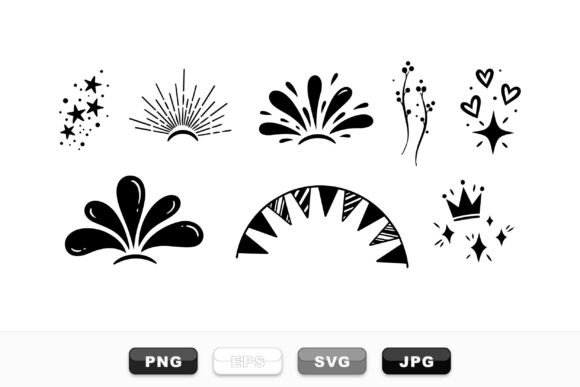
In a digital landscape saturated with polished, geometric perfection, there's a growing hunger for authenticity and human touch. This is precisely where the Hand Drawn Decorative Elements set finds its strength. It's not a traditional typeface for body text, but a curated collection of vector icons—splash marks, sunbursts, stars, and crowns—each rendered with the imperfect, organic line quality of a pencil or pen. The personality is unmistakably playful, energetic, and approachable. These elements feel like they were sketched in a notebook, carrying a warmth that sterile, digital graphics often lack. For designers and creators, this set is less about fonts and more about design assets that inject immediate character into any project.
More Than Doodles: The Strategic Use of Hand-Drawn Accents
Understanding where these hand drawn decorative elements excel is key to leveraging their power. Their inherent style makes them ideal for projects that aim to feel friendly, creative, or artisanal. Think beyond the obvious. While they are perfect for logo design for a boutique bakery or a craft brewery, their utility extends far further. In packaging design, a small, hand-drawn star can become a recurring motif on labels and boxes, creating a cohesive brand identity that feels personal. For editorial design, these elements can break up long blocks of text in magazines or blogs, acting as engaging pull quotes or section dividers.
Their application in digital realms is equally potent. Social media graphics benefit immensely from the casual vibe of a hand-drawn splash or sunburst. They can highlight a key quote in an Instagram post, frame a promotional message on Facebook, or add visual interest to a YouTube thumbnail. In web design, they can be used as custom bullet points, hover effects for buttons, or decorative accents in a website's header or footer, adding a layer of tactile personality that enhances user experience. For content creators and bloggers, these assets are invaluable for creating unique featured images, infographics, and printable materials that stand out in a crowded feed.
Integrating These Elements into Your Design Workflow
Practical guidance is essential for any creative font or asset. The first step is evaluating project fit. The playful, informal nature of these hand drawn decorative elements might clash with a brand that requires a tone of serious authority or ultra-modern minimalism. They are a premium font alternative for accent work, best suited for contexts where a human, approachable feel is desired. Test them alongside your primary typeface. A clean sans serif font can provide the perfect counterbalance, allowing the hand-drawn elements to pop without overwhelming the design. Avoid pairing them with overly ornate script fonts or serif fonts that are already high in personality, as this can create visual chaos.
The downloadable ZIP file is a critical component of its value as a commercial font asset. The inclusion of SVG, EPS, JPG, and PNG files offers tremendous flexibility. SVG and EPS are vector formats, meaning the icons can be scaled to any size—from a tiny favicon to a massive billboard—without losing a single pixel of clarity. This is non-negotiable for professional logo design and print work. JPGs and PNGs (with transparent backgrounds) are ready for immediate use in digital documents, presentations, and social media posts, making them accessible even for those with basic software skills.
When incorporating these elements, consider their role in your visual hierarchy. A large, bold sunburst can command attention as a primary visual, while a series of small, subtle stars can create a pattern that guides the reader's eye. Use them to reinforce, not compete with, your message. For instance, a crown motif can subtly underscore a headline about "royal treatment" or "premium quality," adding a layer of visual metaphor. The key is intentionality. Each element should feel like a deliberate part of the brand identity, not a random decoration.
Building Recognition with a Human Touch
Ultimately, the strategic use of such assets influences core aspects of brand perception. Consistency is paramount. By selecting one or two core motifs from the set and using them repeatedly across your marketing materials—from your website to your packaging to your email newsletters—you build a recognizable visual language. This consistency fosters professionalism and trust. The hand-drawn style, when used consistently, becomes a signature part of your brand's look and feel, enhancing recognition in a way that stock graphics cannot.
The playfulness of these hand drawn decorative elements also directly impacts audience engagement. They evoke a sense of fun and approachability, making your brand feel more relatable and human. This can be particularly effective for entrepreneurs, small business owners, and marketers looking to connect with a community-oriented audience. It signals that there are real people behind the brand who value creativity and personality. In a world of automated perfection, a carefully chosen, imperfect hand-drawn accent can be your most powerful tool for creating genuine connection and standing out in the market. It’s a versatile piece of modern typography asset, bridging the gap between digital precision and human artistry.