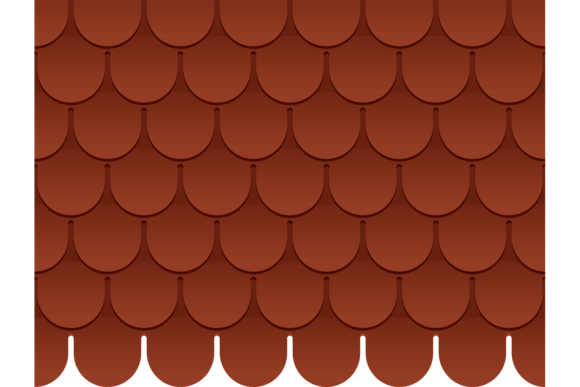
Decorative Red Roof Tiles: The Classic Overlap Aesthetic
There’s a certain warmth to a red roof. It’s a classic image—think of Mediterranean villas, charming countryside homes, or even the distinctive skyline of a historic district. That visual texture, the sense of layered, overlapping elements creating a cohesive whole, is precisely what the Decorative Red Roof Tiles. Classic Overl design asset captures. This isn't just a static image; it's a versatile vector illustration provided in EPS, JPG, SVG, and transparent PNG formats, offering a rich, tactile pattern that can bring depth and character to a multitude of projects.
Understanding the Visual Language of Overlap
The core appeal of this design element lies in its classic overlap composition. Imagine the precise, rhythmic arrangement of individual slate tiles. Each piece slightly covers the one beneath it, creating a sense of order, protection, and timeless construction. The red palette evokes tradition, energy, and a grounded, earthy quality. When rendered as a vector, these tiles gain a crisp, clean edge that remains sharp at any scale, making them incredibly practical for both large-format prints and small digital icons. The style is inherently decorative yet structured, blending organic texture with geometric precision.
This particular asset functions much like a display font in the world of graphic elements. Its personality is bold, traditional, and full of visual interest. It commands attention not through flashy effects, but through the strength of its pattern and color. For a designer, this is a foundational design asset—one that can set the tone for an entire brand identity or serve as the perfect accent piece in a complex layout. It speaks of craftsmanship and reliability, qualities any business or creative project would want to convey.
Where Classic Texture Meets Modern Application
So, where does a pattern like Decorative Red Roof Tiles. Classic Overl truly shine? Its applications are surprisingly broad, bridging the gap between traditional charm and contemporary design needs.
In branding and logo design, this texture can be used to create a memorable visual hook. A boutique architecture firm, a artisan bakery, or a heritage tourism brand could incorporate this tile pattern as a background texture or a subtle fill within their logo, instantly communicating values of quality, tradition, and attention to detail. It works beautifully as a creative font companion, providing a textured backdrop that makes clean, modern sans serif fonts pop with contrast.
For editorial and packaging design, the possibilities are immediate. Think of a cookbook cover featuring Mediterranean recipes, where the tile pattern frames the title, adding an authentic, tactile feel. In packaging, it could adorn the label for a premium pasta sauce, a craft beer, or a gourmet spice blend, telling a story of origin and care before the customer even opens the product. The transparent PNG version is perfect for layering over photographs or other design elements without harsh edges.
Digital spaces benefit immensely from such a textured asset. As a background for a web design hero section, it can create an immersive atmosphere for a travel blog or a real estate website specializing in historic properties. In social media graphics, a cropped section of the tile pattern can become a distinctive banner or a profile picture frame, ensuring visual consistency across platforms. It’s a pattern that encourages engagement because it feels real, almost touchable, in a digital environment often dominated by flat colors and gradients.
Practical Guidance for Using This Design Asset
Integrating a strong pattern like this requires a thoughtful approach. First, consider the visual hierarchy of your project. The red roof tiles are visually active, so they often work best as a supporting element rather than the sole focus, unless that's your specific intent. Pair them with ample white space or neutral colors to let the texture breathe and avoid overwhelming the viewer.
Font pairing is critical. The traditional feel of the tiles pairs exceptionally well with serif fonts that have a classic, sturdy character—think of typefaces like Baskerville or Garamond. For a more modern twist, contrasting it with a clean, geometric sans serif font like Helvetica or Futura can create a dynamic tension that feels both rooted and contemporary. Avoid pairing it with overly ornate script fonts or handwritten fonts, as this can lead to visual clutter and reduce readability.
When using the vector files (EPS or SVG), you have full control over color and scale. You could recolor the tiles to match a specific brand palette—perhaps muting the red to a terracotta or shifting it to a deep burgundy for a more sophisticated mood. The scalability of vectors ensures the pattern remains crisp whether it's on a business card or a billboard. Always test your design in context: view a website mockup on different screens, or print a proof of a brochure to see how the texture interacts with paper stock and printing processes.
Finally, be mindful of the licensing. Since this is a premium font (or rather, a premium design asset), ensure its use aligns with the license you acquire, especially for commercial projects. Understanding whether it's for personal use, a single commercial project, or an unlimited enterprise license is key to professional and legal compliance.
Crafting Cohesion with a Timeless Pattern
Ultimately, Decorative Red Roof Tiles. Classic Overl is more than just a pretty picture. It’s a tool for storytelling. It allows designers, entrepreneurs, and creators to infuse their work with a sense of history, stability, and crafted beauty. In a world awash with sterile digital graphics, this kind of textured, pattern-based asset can be the differentiating factor that makes a brand feel authentic and a design feel complete.
Think of it as a modern typography principle applied to imagery: using a consistent, well-chosen element to build recognition and emotional resonance. Whether you're developing a full brand identity, designing a one-off poster, or creating engaging social media graphics, this asset provides a solid, visually appealing foundation. Its strength is in its versatility—it can be bold or subtle, traditional or reinterpreted, but always distinctly itself. By using it thoughtfully, you’re not just decorating a space; you’re building a visual narrative that connects with your audience on a fundamental level.